
Click to return to the home page

Celtic Food

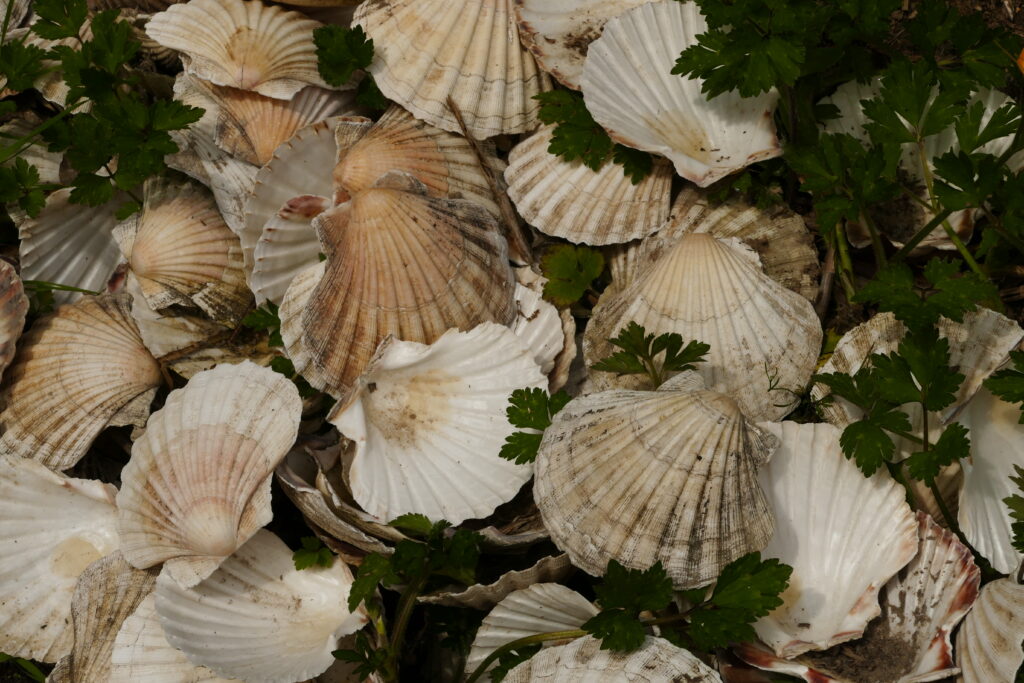
Across the Celtic nations, food has been shaped by land, latitude, and season. The planting seasons were short and winters long. Meals needed to be sustaining, adaptable, and closely tied to what could be grown, gathered, preserved, or stored. Coastal and island communities relied on food from the sea, while inland regions focused on farming and foraging. Of course, animal husbandry played a crucial role as well.

  • Overview

  • Seafood

  • Plants

  • Festivals

Overview


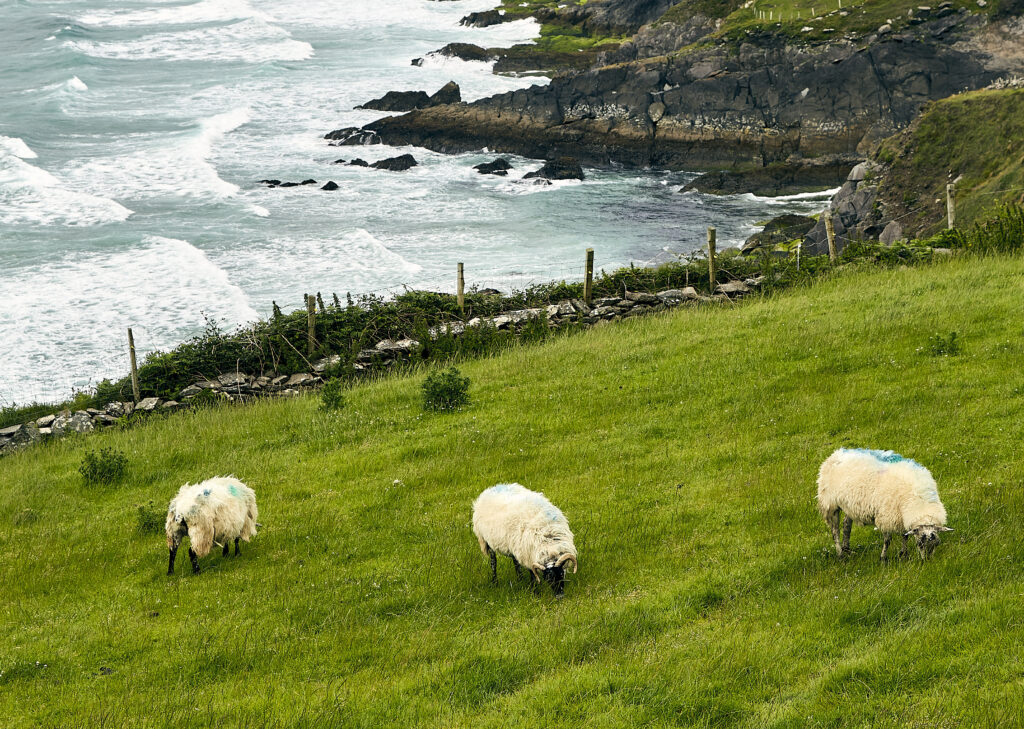
Dingle Peninsula, Ireland

Much of the Celtic world lies in northern latitudes where cooler temperatures, limited daylight, and unpredictable weather defined daily life. These conditions influenced not only what people ate, but how food was grown, prepared, and shared.


Staple foods developed around reliability and nourishment:

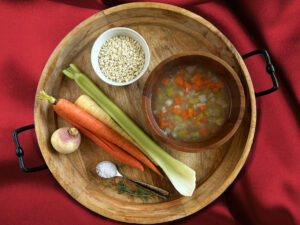
  • Grains such as oats and barley that thrived in poor soils

  • Dairy from cattle and sheep, preserved as butter, cheese, and fermented milk

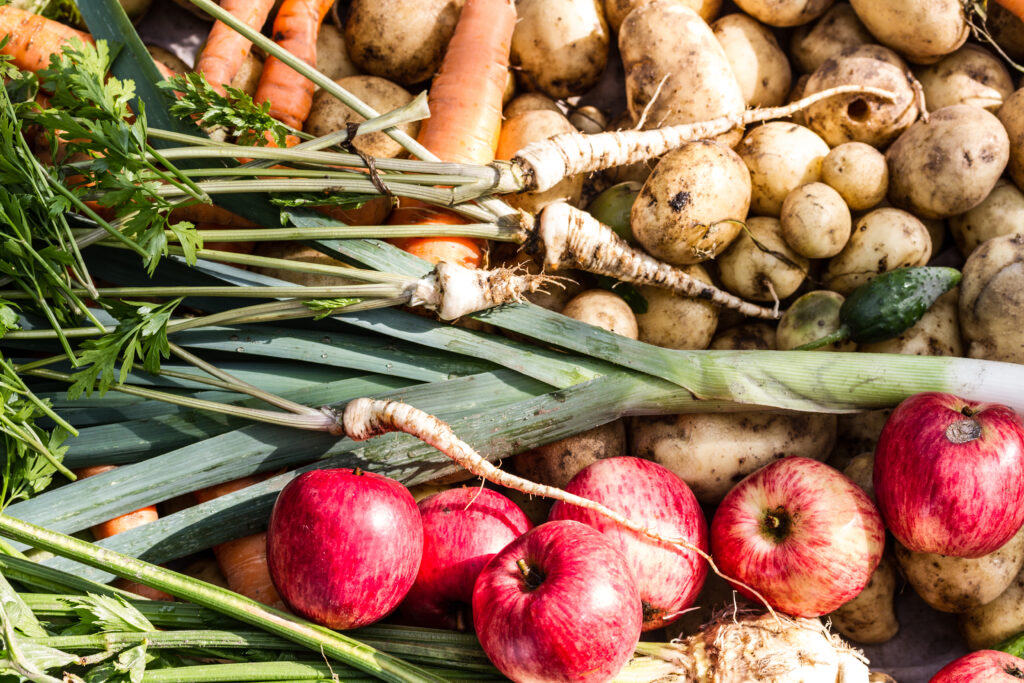
  • Root vegetables that stored well through winter

  • Soups, stews, and breads designed to sustain families through cold months

Food was practical, filling, and seasonal—meant to carry communities through times of scarcity.


Food as Living Heritage

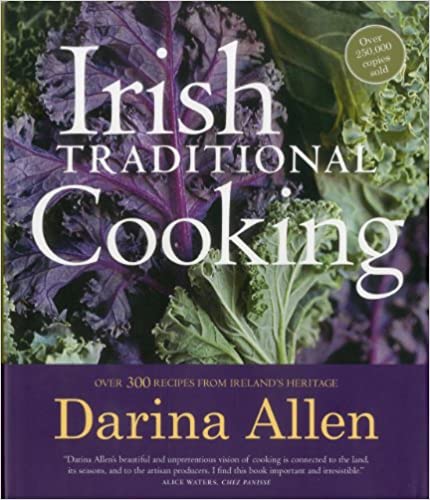
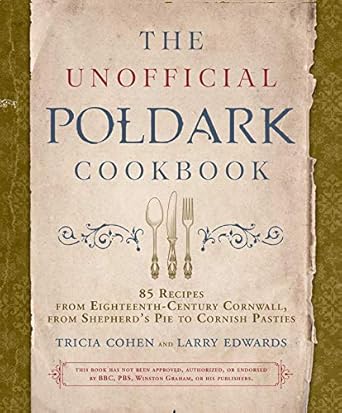
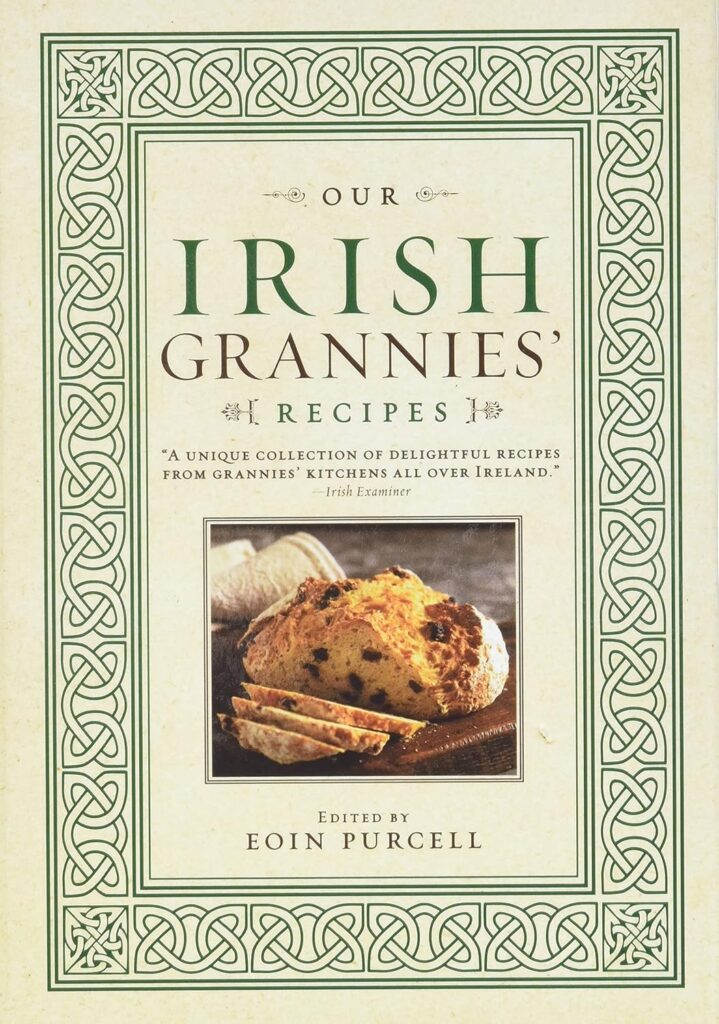
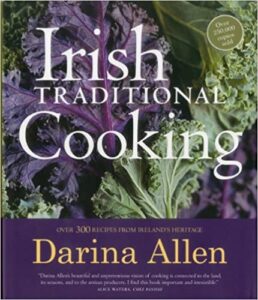
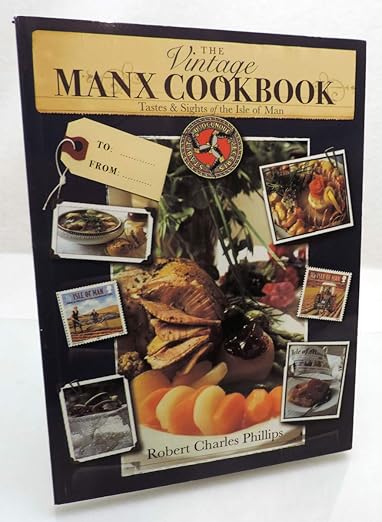
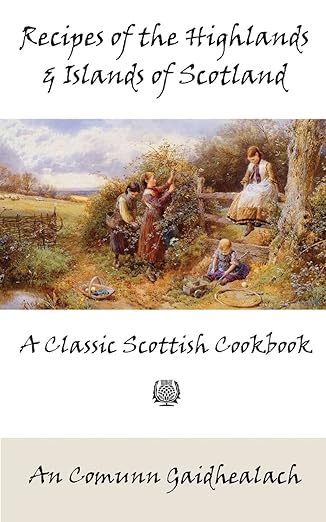
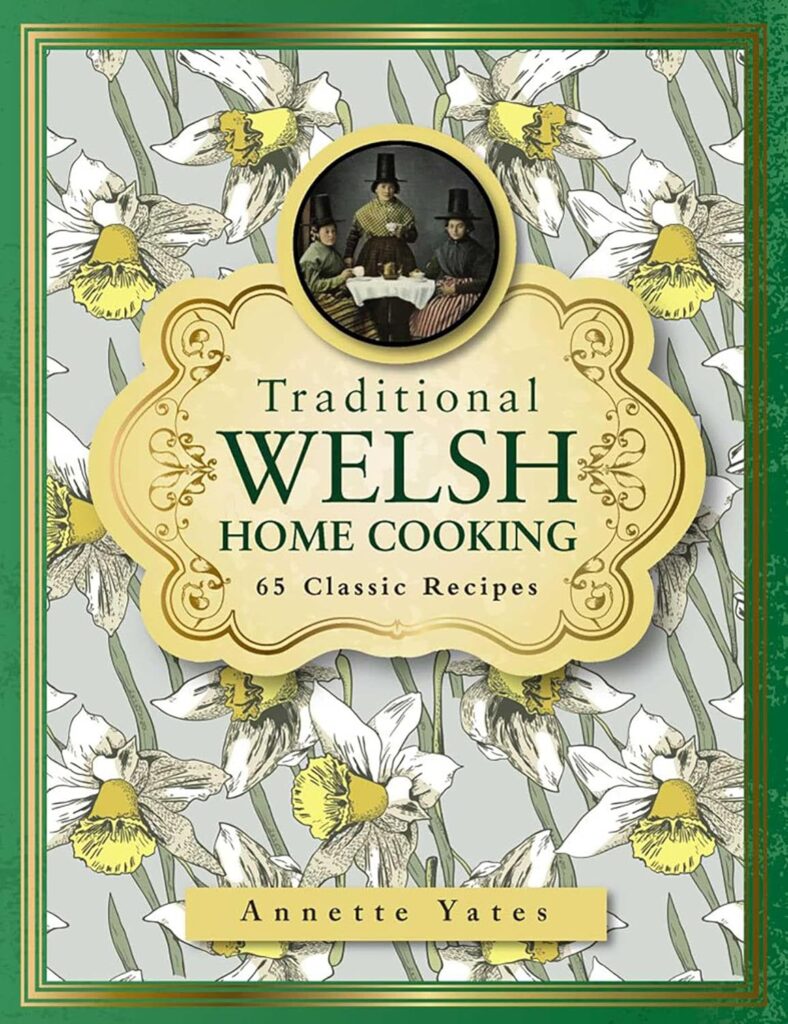
Cookbooks serve as cultural archives, preserving traditional ingredients, seasonal wisdom, and regional practices that might otherwise be lost. The resources recommended by the Celtic Heritage Foundation expand upon the recipes we share, offering deeper insight into Celtic food traditions.

Brittany
Cornwall
Cornwall
Ireland
Ireland
Isle of Man
Scotland
Wales

As an Amazon Associate, we earn from qualifying purchases. If you prefer, purchase or borrow these books wherever you feel most comfortable. Engagement with and preservation of Celtic culture and learning matters far more to us than where or how a book is purchased. If you choose to purchase through our links, a small portion supports our mission at no additional cost to you. 


© 2025

Celtic Heritage Foundation